The University of New Mexico Office of Academic Affairs has announced that five faculty members — whose expertise ranges from hantavirus to Heidegger — have been promoted to the rank of distinguished professor.
The 2025 distinguished professor class is composed of four faculty from the UNM Health Sciences Center — Sally M. Davis, Michelle S. Harkins, Douglas J. Perkins and C. Fernando Valenzuela — and one faculty member from the College of Arts and Sciences — Iain D. Thomson.
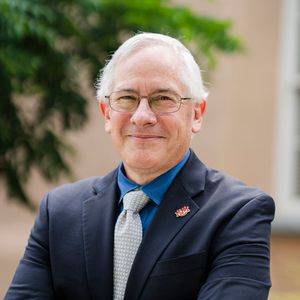
The University of New Mexico has remarkable researchers and scholars, and it is an honor to recognize these very deserving and hard-working members of our faculty with the title of distinguished professor. It is especially gratifying to see the representation this year from our Health Sciences faculty members, which puts in practice the spirit of One University.
-James Holloway, MS, PhD, Provost and Executive Vice President, Academic Affairs, The University of New Mexico
UNM defines distinguished professors as those who “have demonstrated outstanding achievements and are nationally and internationally renowned as scholars.” It is the highest faculty title the university bestows, and only a handful of professors are honored with the rank each year.
“The University of New Mexico has remarkable researchers and scholars, and it is an honor to recognize these very deserving and hard-working members of our faculty with the title of distinguished professor,” said James Holloway, provost and executive vice president for academic affairs. “It is especially gratifying to see the representation this year from our Health Sciences faculty members, which puts in practice the spirit of One University.”
Here is additional information about each honoree’s scholarship and accomplishments:
Sally M. Davis, PhD, professor, Department of Pediatrics, UNM School of Medicine
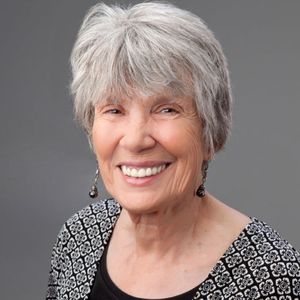
Davis is chief of the UNM’s Division of Prevention and Population Sciences in the Department of Pediatrics and holds a secondary appointment in the Department of Family and Community Medicine and also directs the Prevention Research Center.
She first joined the UNM Department of Pediatrics in 1977, serving in curriculum and evaluation coordination. In 1990, she earned a PhD. from UNM in psychological foundations of education, and in 1992, joined the Department of Pediatrics faculty.
Davis was the founding director of the Center for Indian Youth Program Development at UNM from 1992-95, and from 1996-2001, she was the director and principal investigator for the National Diabetes Prevention Center. She is considered a pioneer in developing community-based interventions, seen in her leadership in establishing the UNM Prevention Research Center, which is one of the Centers for Disease Control Centers for Excellence. Additionally, she is the founding director of the Office of Creative Endeavors in the Department of Pediatrics.
Davis’ work includes obesity prevention and health for the Navajo community, including developing the first school-based health center specifically for Native American adolescents. Her National Institutes of Health-funded project, “Child Health Initiative for Lifelong Eating and Exercise (CHILE) and Pathways: Prevention of Obesity in American Indian Schoolchildren,” has been a model for community-engaged research and intervention scalability nationwide in efforts to reduce childhood obesity and improve community health.
Michelle S. Harkins, MD, professor, Department of Internal Medicine, UNM School of Medicine
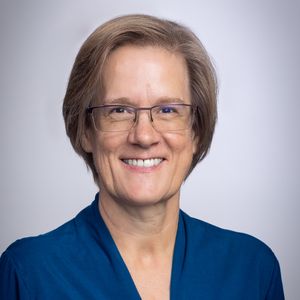
Dr. Harkins is a professor in the School of Medicine and chief of the Division of Pulmonary, Critical Care and Sleep Medicine. She is also associate chief for the Adult Center for Critical Care and co-medical director of the Post-COVID Primary Care TeleECHO program at the UNM Health Sciences Center.
She has led several studies funded by the National Institutes of Health, and the National Heart, Lung, and Blood Institute on asthma, COVID and long COVID. Harkins also developed the Adult Asthma Clinic, the Asthma ECHO telehealth program, and was the founding member of the State Asthma Program, which has decreased hospitalizations of children in southeastern New Mexico.
In addition, Dr. Harkins is a clinical expert in hantavirus, having provided care for patients in addition to providing advice to providers, the Centers for Disease Control and others for the last 30 years. She also helped established telehealth educational sessions for emerging infectious diseases, such as during the 2009 H1N1 outbreak. These sessions became weekly during the COVID pandemic, teaching providers how to care for these patients in real time.
Dr. Harkins is a fellow of both the American College of Chest Physicians and the American College of Physicians. She joined the faculty of UNM in 1999.
Douglas J. Perkins, PhD, professor, Department of Internal Medicine, UNM School of Medicine
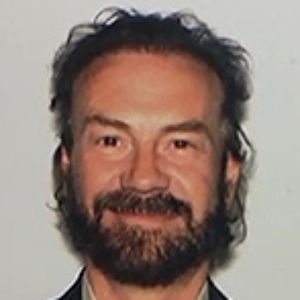
Perkins specializes in infectious diseases, primarily in African children. He is considered a global expert on the pathogenesis of severe malaria. His research laboratories are primarily in U.S. and Kenya, where he has established research and educational facilities at the Siaya County Referral Hospital and Maseno University.
His labs focus on various molecular aspects of the human host immune response to parasites and viruses. The goal is to understand how genes and gene pathways influence susceptibility to Plasmodium falciparum-induced severe malarial anemia in African children, the global leading cause of childhood mortality.
Perkins is the founding director of the Center for Global Health at UNM. He is also the founding director of the highly advanced clinical research facilities in western Kenya. He joined the UNM faculty in 2012, and since 2013, Perkins has also been a scientist at Los Alamos National Laboratory.
Iain D. Thomson, professor, Department of Philosophy
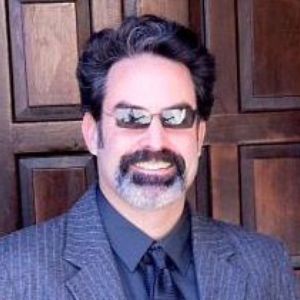
Thomson is a world-renowned scholar in 19th- and 20th-century continental philosophy. He also has extensive scholarship in the areas of phenomenology, existentialism, philosophy of education, and philosophy of technology.
He is the author of four monographs with Cambridge University Press, and has considerable scholarship in ontotheology, technology, art and death. He is among world’s foremost scholars on German philosopher Martin Heidegger. He has two books forthcoming from Cambridge Press.
Thomson has been honored with a National Endowment for the Humanities research fellowship, one of only three philosophers selected to receive this honor. He is also the recipient of the Gunther Starkey Award for Teaching Excellence. He joined UNM’s faculty in 2000.
C. Fernando Valenzuela, MD, professor, Department of Neurosciences, UNM School of Medicine
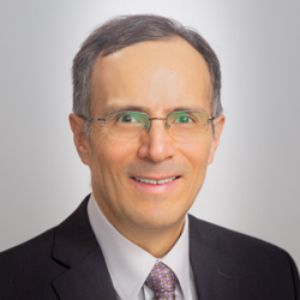
Dr. Valenzuela is a biomedical scientist and educator widely known for his research in how exposure to alcohol during the prenatal period causes long-lasting disruptions of neuronal circuits in different brain regions, with the long-term goal of contributing to a better understanding of the neurobiology of alcoholism and fetal alcohol spectrum disorders.
His research has been continuously funded by the National Institutes of Health (NIH) since his joining the faculty at UNM in 1998. He was awarded the R37 MERIT grant award from the National Institute on Alcohol Abuse and Alcoholism (NIAAA) in 2012, and his work was instrumental in helping establish UNM’s NIAAA- designated specialized alcohol research center, the New Mexico Alcohol Research Center (NMARC). He has served as NMARC associate and scientific director for more than 15 years and is currently its director.
Dr. Valenzuela has been director of an Alcohol Research Training in Neurosciences NIH-NIAAA T32 Training grant, which is currently in its sixth five-year phase of funding. Among his many professional associations, he is a member of the NIH Council of Councils, the National Advisory Council on Alcohol Abuse and Alcoholism, and is included in the Atlas of Inspiring Hispanic/Latinx Scientists. He was named a Regents’ Professor in the UNM School of Medicine in 2013.
A list of past recipients of the distinguished professor title, in addition to the nomination and selection process, can be found here.