


New technology and some incredibly precise “helping hands” are now assisting surgeons at The University of New Mexico Sandoval Regional Medical Center – A Campus of UNM Hospital (SRMC).
Those helping hands belong to the two new surgical robots being put into action inside SRMC’s operating rooms. Surgeons say the advanced technology is great news for patients in Sandoval County.
Anna Lise Koenig, MD, performs general and acute care surgery at SRMC.
“We can do surgery that is less painful for patients, with a faster recovery and good outcomes,” she said.
The two surgical robots now at SRMC are the Mako and the Da Vinci Xi. The newest robot, the Mako, is specifically used in orthopaedic surgeries like knee and hip replacements. The Da Vinci is used in general surgery and for minimally invasive surgeries across various specialties including urology, gynecology, bariatrics and acute care surgery.
In the Operating Room
Although the Mako and Da Vinci robots function a little differently, when it comes to actually performing an operation, the surgeon is always in control.
“What patients should know about the robot, is that the robot doesn't do anything on its own,” Koenig said. “There is no AI involved; the surgeon is always controlling the robot. So, although it sounds like it could be something that is independent, it is not. The surgery is always being performed by the surgeon.”
The Mako Surgical Robot
The newest robot in SRMC operating rooms is the Mako.
John Krumme, MD, is a new SRMC orthopaedic surgeon who specializes in robotic hip and knee surgery. Before coming to SRMC, Krumme worked at a hospital in Kansas City, Missouri, where he said he performed hundreds of surgeries using the Mako.
“The Mako robot is the latest in orthopaedic technology,” he said. “It allows for more accuracy in knee and hip replacement surgery than ever before.”
The Mako is comprised of a robotic arm with optical sensors and a bone saw that’s attached to a console. Prior to an orthopaedic surgery, the Mako allows surgeons to create a 3D model of a patient’s knee or hip from a CT scan. From that model, the surgeon then uses the robotic arm as a guide to make precise cuts during surgery.

“The Mako allows us to reproduce the dynamic stability of an individual patient's knee specific to their anatomy,” he said. “We can even do dynamic balancing in surgery, enabling us to fine tune that patient’s knee and put it exactly where it’s supposed to be.”
Prior to the assistance of robots like the Mako, Krumme said surgeons were performing all hip and knee surgeries in basically the same way for every patient, every time.
“Traditional hips and knees were done with standard jigs and cutting blocks,” he said. “We would reference bones and the landmarks outside the patient's body to judge our cuts.”
While Krumme said that method was successful, there were some inherent errors.
“You’d be off like two degrees, or two millimeters,” he said. “And millimeters matter in a total joint surgery because you have to get the balance of the knee just right.”
That’s what Krumme said makes the Mako such a valuable tool in the operating room. It allows for more precision, accuracy and customization during surgery.
“Every knee is different and we now have we have the ability to really adjust the knee so we can be more patient specific,” he said.
Krumme said patients should be excited about this new technology and for him, personally, seeing the outcomes is incredibly rewarding.

We're really excited about bringing this technology here to help our patients. It adds to our already excellent clinical team, who are going to do a great job taking care of you here at SRMC.
-John Krumme, MD, Orthopaedic Surgeon, SRMC
“You get these people that come in and they're in pain every day; they're hurting all the time,” he said. “They're not able to walk with their spouse; they're not able to play with their grandkids; they can't climb the bleachers at basketball games. And then you do an hour-long surgery and after recovering, these people are starting to do those things, and they get that part of their life back.”
Krumme and the operating team performed their first successful Mako surgery at the end of September on a patient at SRMC.
“We're really excited about bringing this technology here to help our patients,” Krumme said. “It adds to our already excellent clinical team, who are going to do a great job taking care of you here at SRMC.”
Da Vinci Xi Surgical Robot
Da Vinci Xi Surgical Robot. Photo Credit: McKaela Arviso
Da Vinci Xi Surgical Robot. Photo Credit: McKaela Arviso
Da Vinci Xi Surgical Robot. Photo Credit: McKaela Arviso
Da Vinci Xi Surgical Robot. Photo Credit: McKaela Arviso
Da Vinci Xi Surgical Robot. Photo Credit: McKaela Arviso
Da Vinci Xi Surgical Robot. Photo Credit: McKaela Arviso
Da Vinci Xi Surgical Robot. Photo Credit: McKaela Arviso
Da Vinci Xi Surgical Robot. Photo Credit: McKaela Arviso
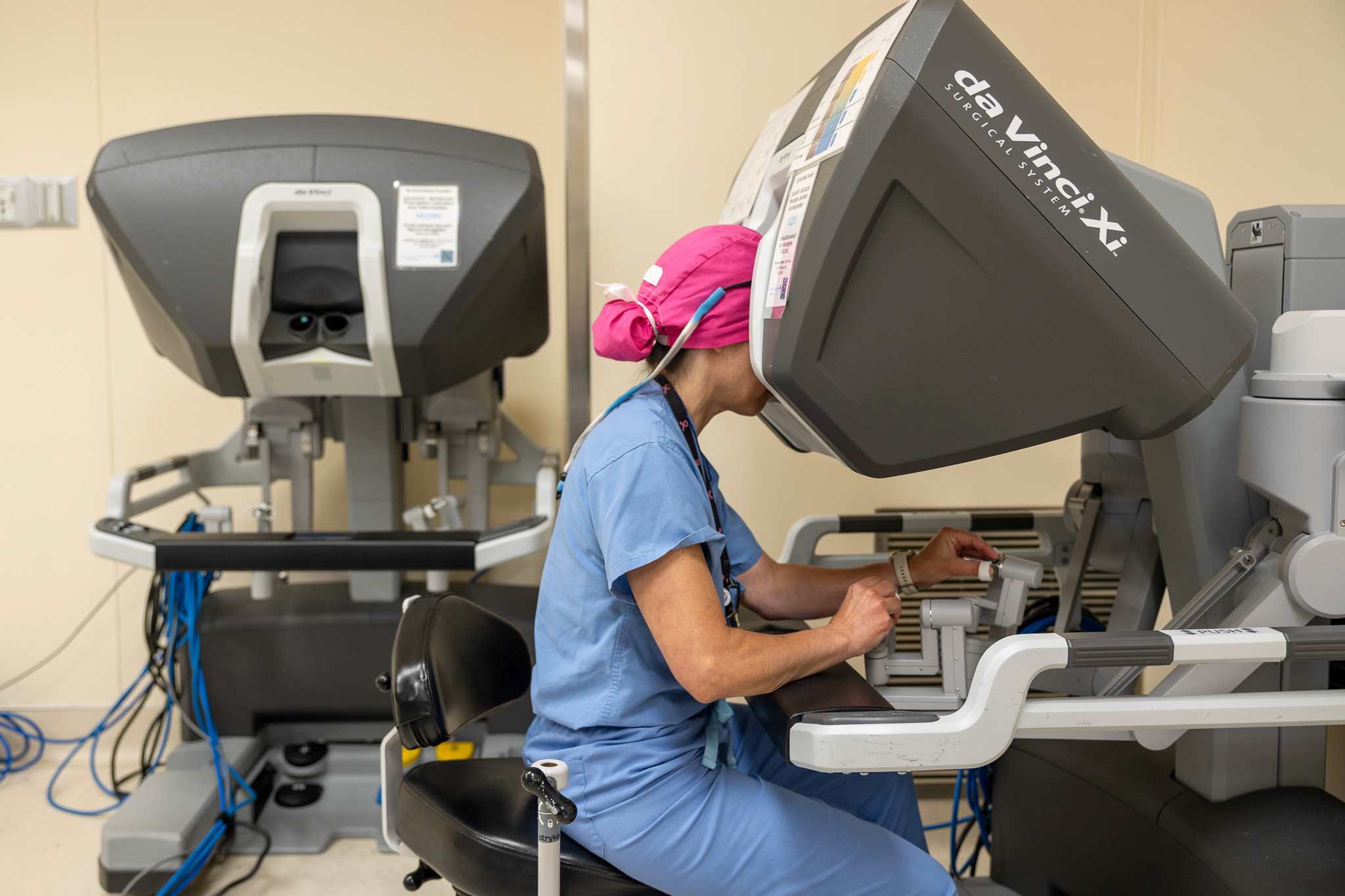
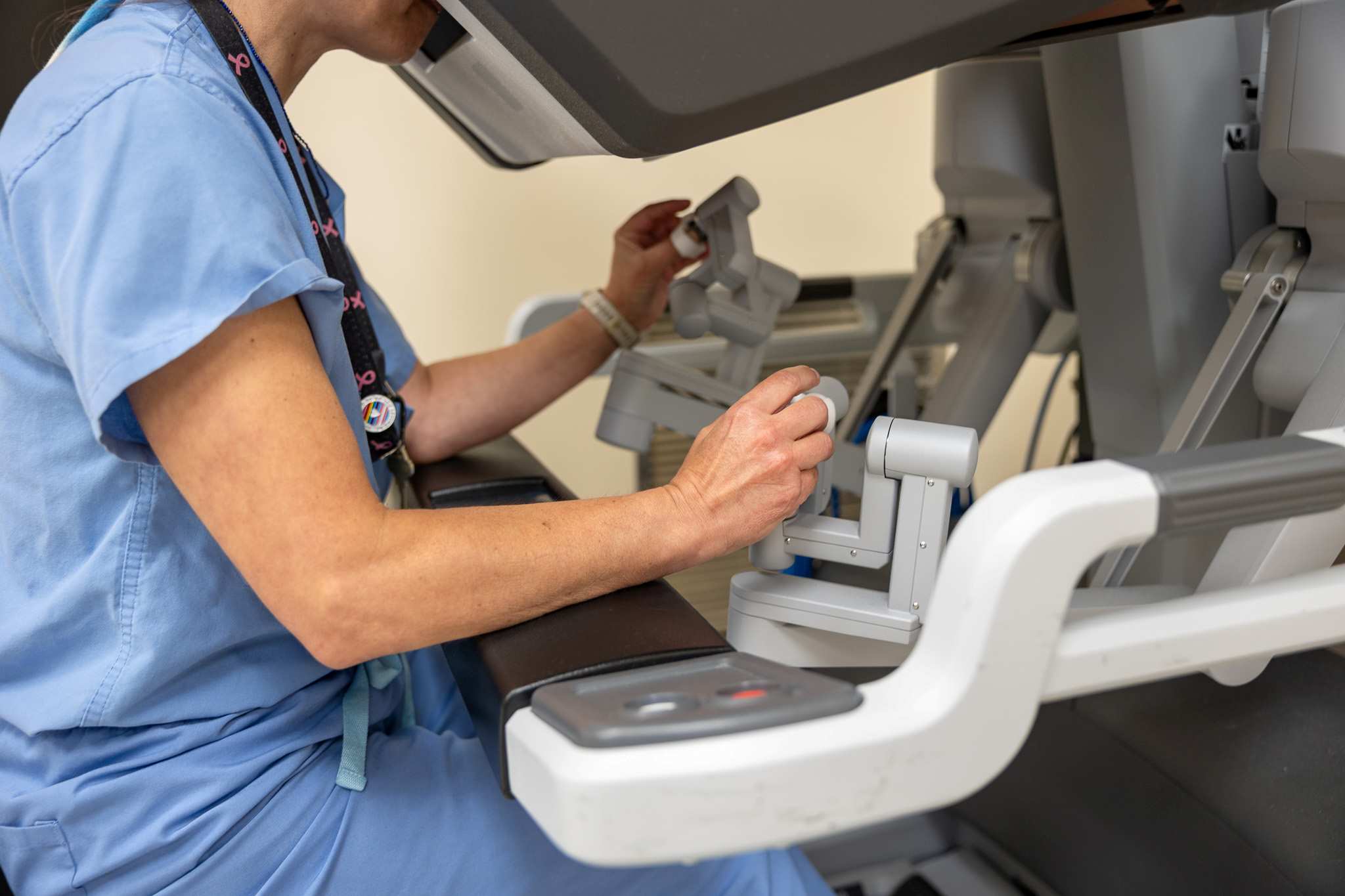
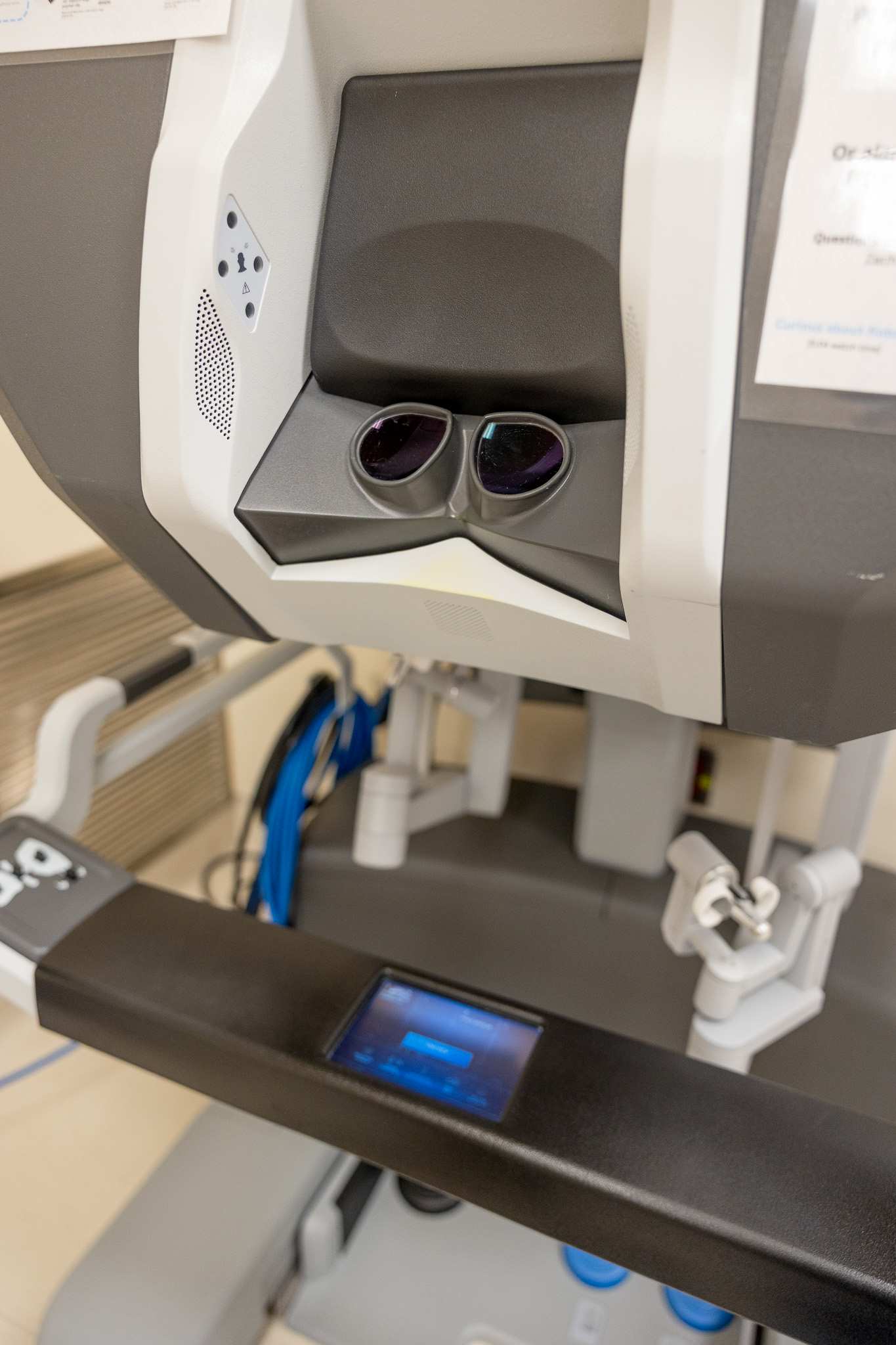
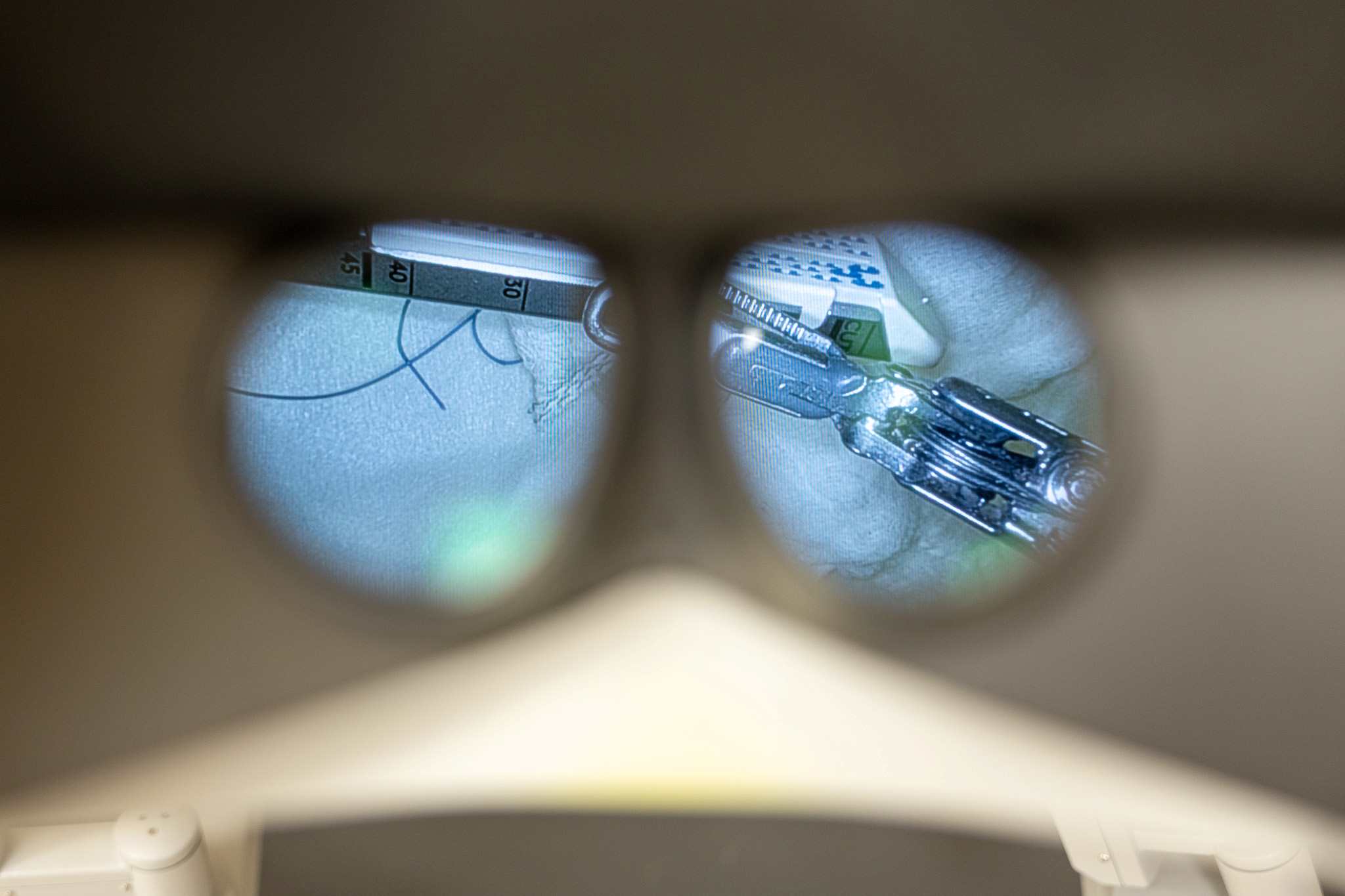
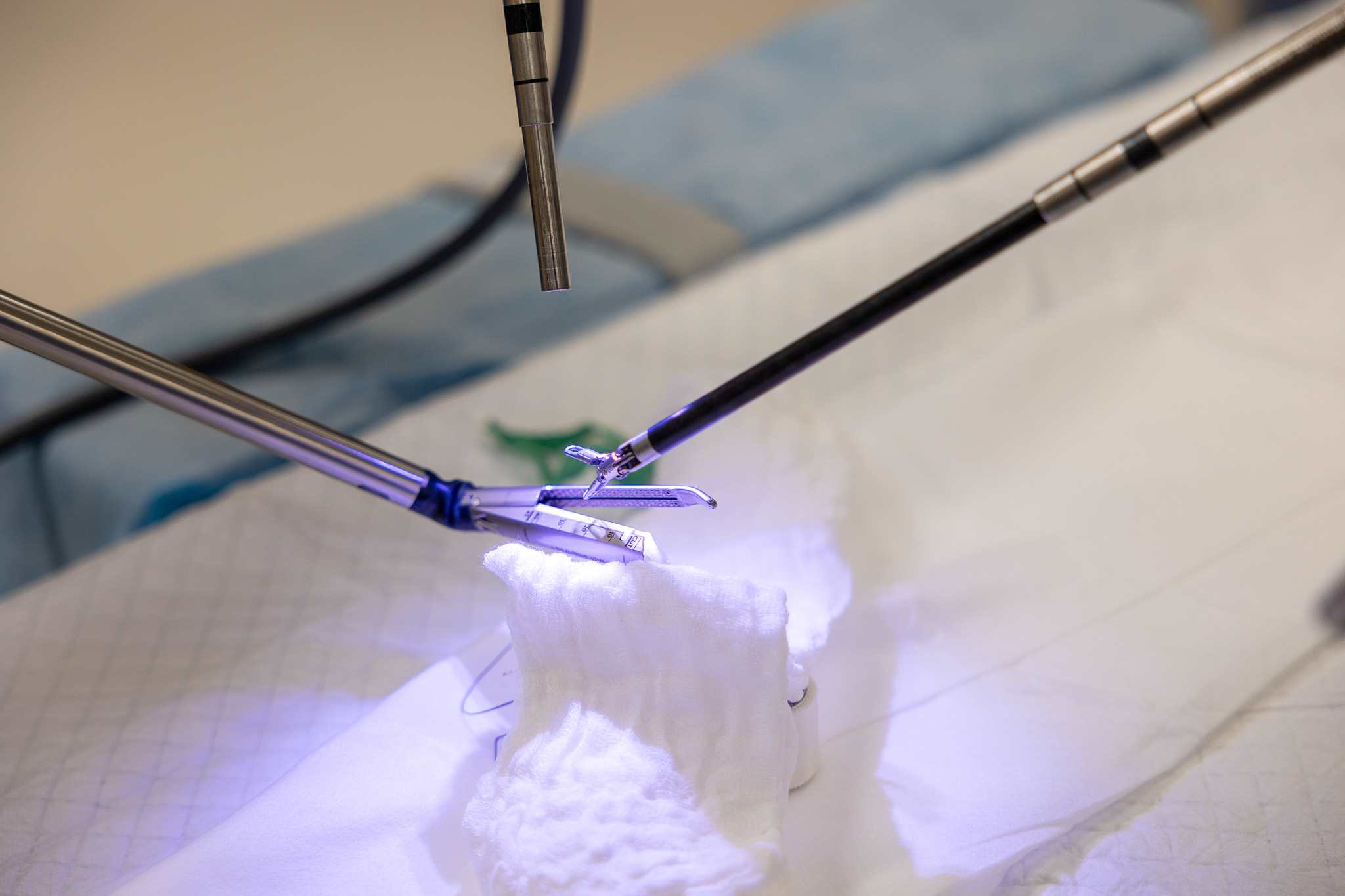
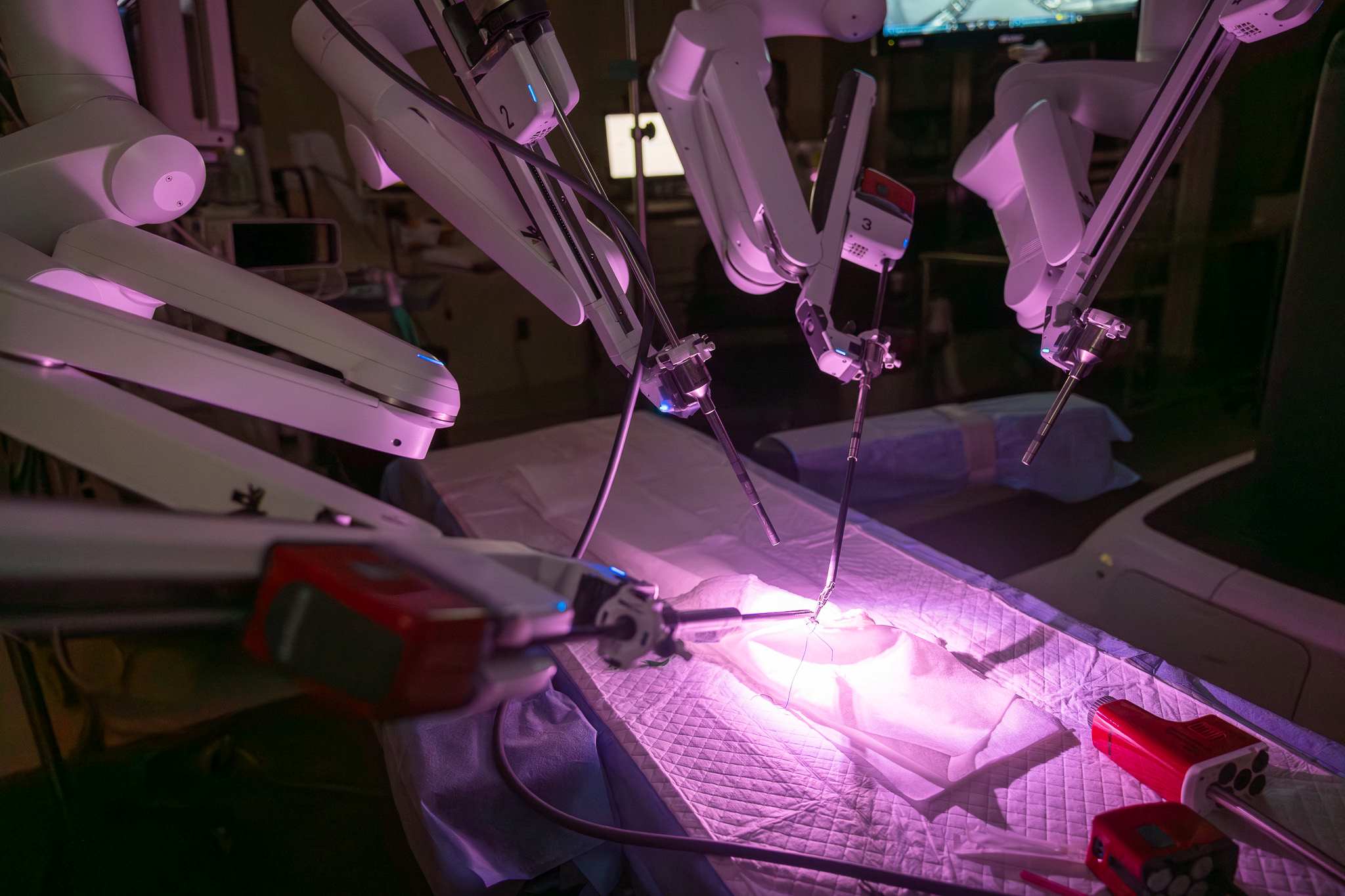
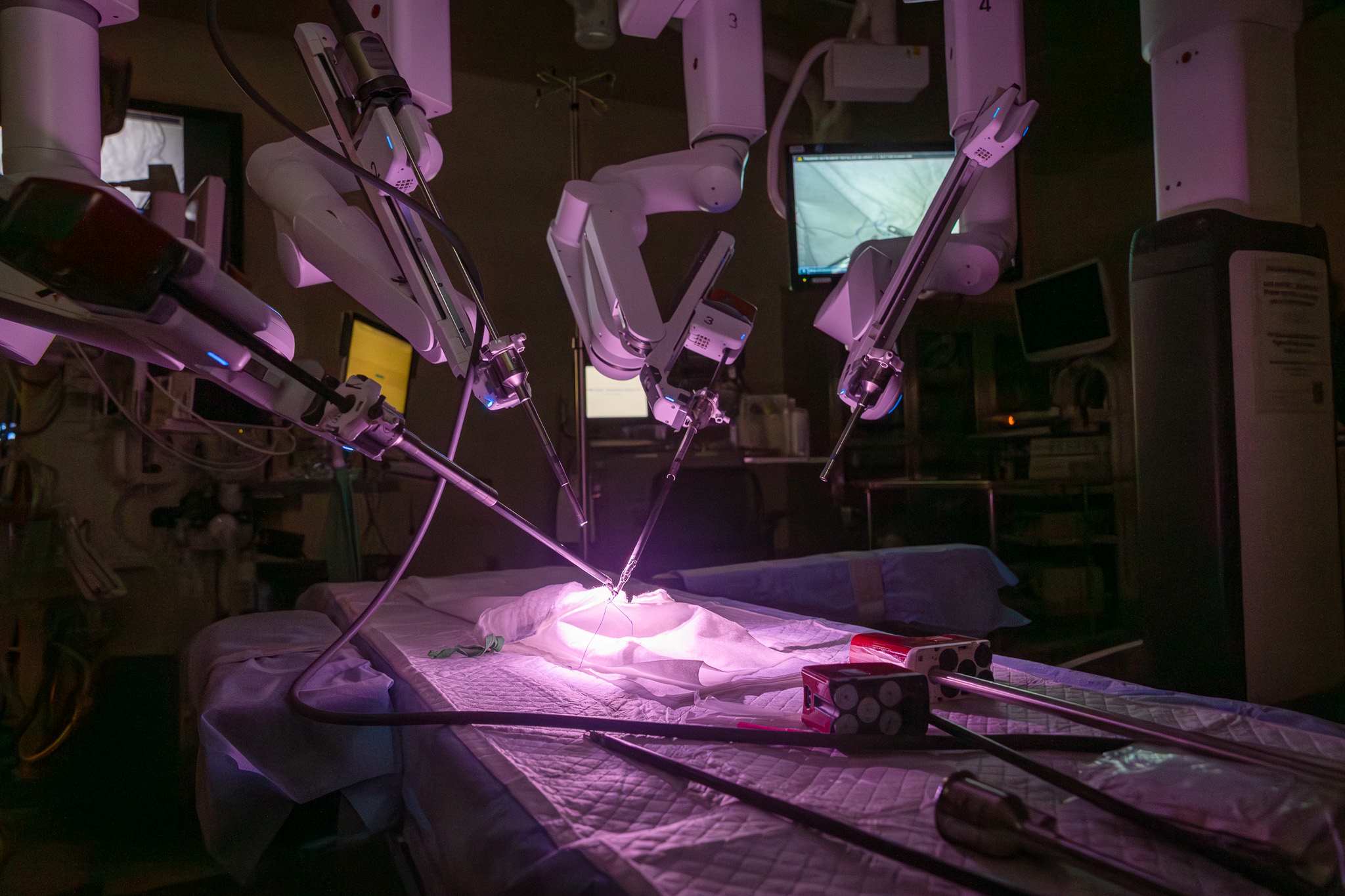
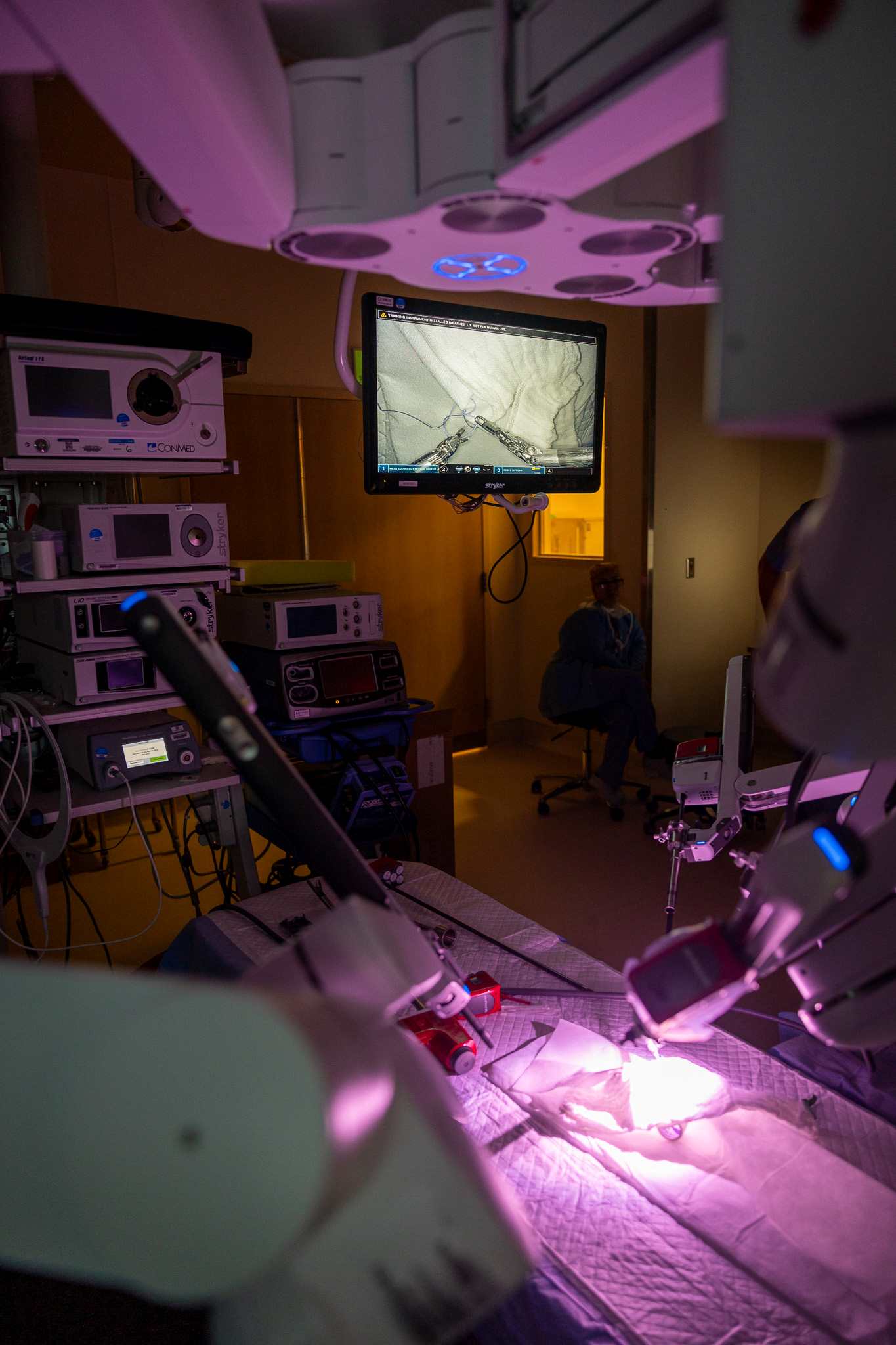
At a glance, a surgeon working with the Da Vinci at SRMC might look like they are playing a video game. Sitting at a console, the surgeon is able to control any of the robot’s four arms while also getting a 3D, high-definition view of the surgical area.
Using the console, the surgeon uses their hands and feet to control the robotic arms with precision and a 360-degree range of motion.
The Da Vinci has been at SRMC since March and has been used in a variety of procedures including hernia, gallbladder and bariatric surgery.

When the surgeon feels more comfortable with what they're doing, the surgery is better and the patient has better outcomes.
-Anna Lise Koenig, MD, Surgeon, SRMC
Koenig said the Da Vinci has been a game changer.
“The robot allows us to have better visualization during surgery and allows us more instrument control,” she said. “So, we have a wider ability to do surgeries with minimally invasive, small incisions.”
Many of the surgeries the Da Vinci robot is now assisting with are surgeries that teams used to do laparoscopically. Laparoscopic surgery is also a minimally invasive surgery that involves using a thin, lighted tube, a laparoscope, with a camera on the end to help the surgeon see during surgery.
Joseph Giacolone, MD, is a general surgery chief resident at SRMC who has been training and working with the Da Vinci. He said while laparoscopic surgery is a good minimally invasive option, the laparoscope still has its visual challenges and can’t match all that the Da Vinci robot can do.
“You cannot replace the 360-degree range of motion and the flexibility you have with where the surgical instruments can go,” he said. “It cannot be replicated by a human wrist. The robot is so much better at doing that.”
Koenig added that both patients and surgeons benefit from using the Da Vinci in the operating room.
“When the surgeon feels more comfortable with what they're doing, the surgery is better and the patient has better outcomes,” she said.
And for the team at SRMC, that’s what matters. The Da Vinci and the Mako robots are another way the clinical team can continue to deliver high-quality and safe care to the community.
“If it was me getting surgery, I would want robotic surgery,” Koenig said. “You’re definitely in good hands.”


