


Whether it’s a patient coming in for an emergency, a procedure, or clinic visit- hundreds of people every week depend on care from the team at The University of New Mexico Sandoval Regional Medical Center—A Campus of UNM Hospital (SRMC). And SRMC is now depending on those patients to help make the hospital the best it can be for Sandoval County’s residents.
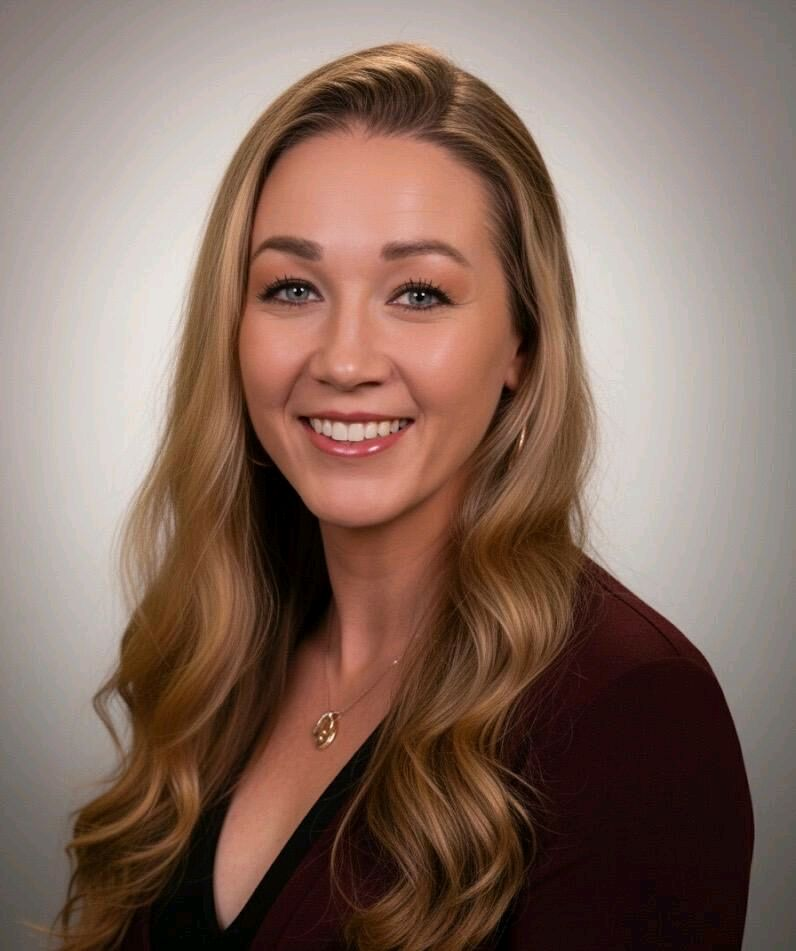
Meaghan Carey Eiland is SRMC’s Hospital Chief Executive.
“Our patients are at the center of everything we do,” she said. “We want to ensure their voices are heard and help guide us to make improvements. Who better to help shape improvements at our hospital, than the patients we care for?”
That’s why SRMC is starting a Patient Family Advisory Committee (PFAC).
PFAC first began at UNM Hospital’s Albuquerque campus in 2020. It is a formal hospital committee comprised of patients, family members of patients, and hospital staff who volunteer their time to collaborate and provide feedback on processes to improve care. They report up to the UNM Board of Trustees.
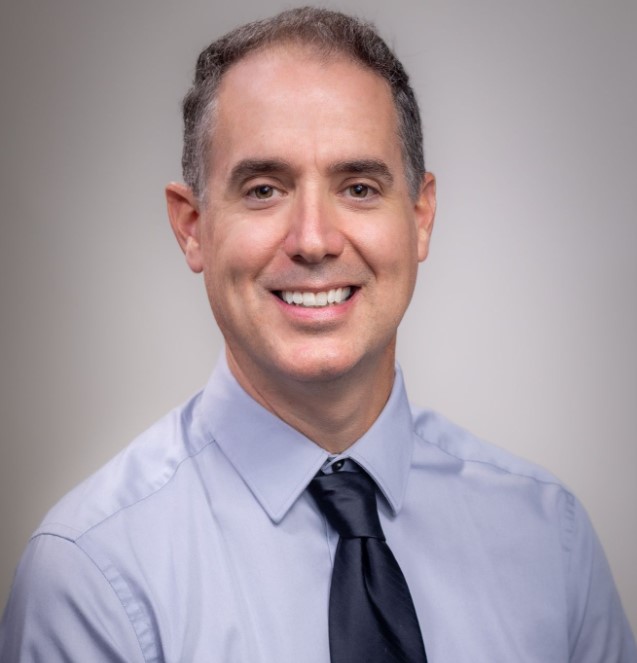
Keith Laffler is UNM Hospital’s PFAC Manager. He’s working to recruit members for the committee at SRMC.
“PFAC looks at any kind of process related to patient care, education or communication, quality and safety initiatives,” Laffler said. “It’s really important to be able to include that patient voice and perspective.”
Now integrated with UNM Hospital, SRMC will model its PFAC in the same way but focus specifically on services provided at the hospital in Rio Rancho.
“We know UNM Hospital is a little bit different from SRMC in terms of logistics and the community and population that we serve,” Laffler said. “So, the goal is to form an SRMC PFAC that will really meet that hospital’s needs and tailor it to the overall mission and community in Sandoval County.”
Laffler said listening to patients truly makes a difference.
“There's a lot of research that shows when you ask patients to be part of their care journey, you see improvements in overall processes,” he said. “So, things like quality and safety improve, patient survey scores go up, and the patient experience is improved. By asking patients for input, we're really taking time to build that accountability and trust with the community that we care for, and that means a lot.”
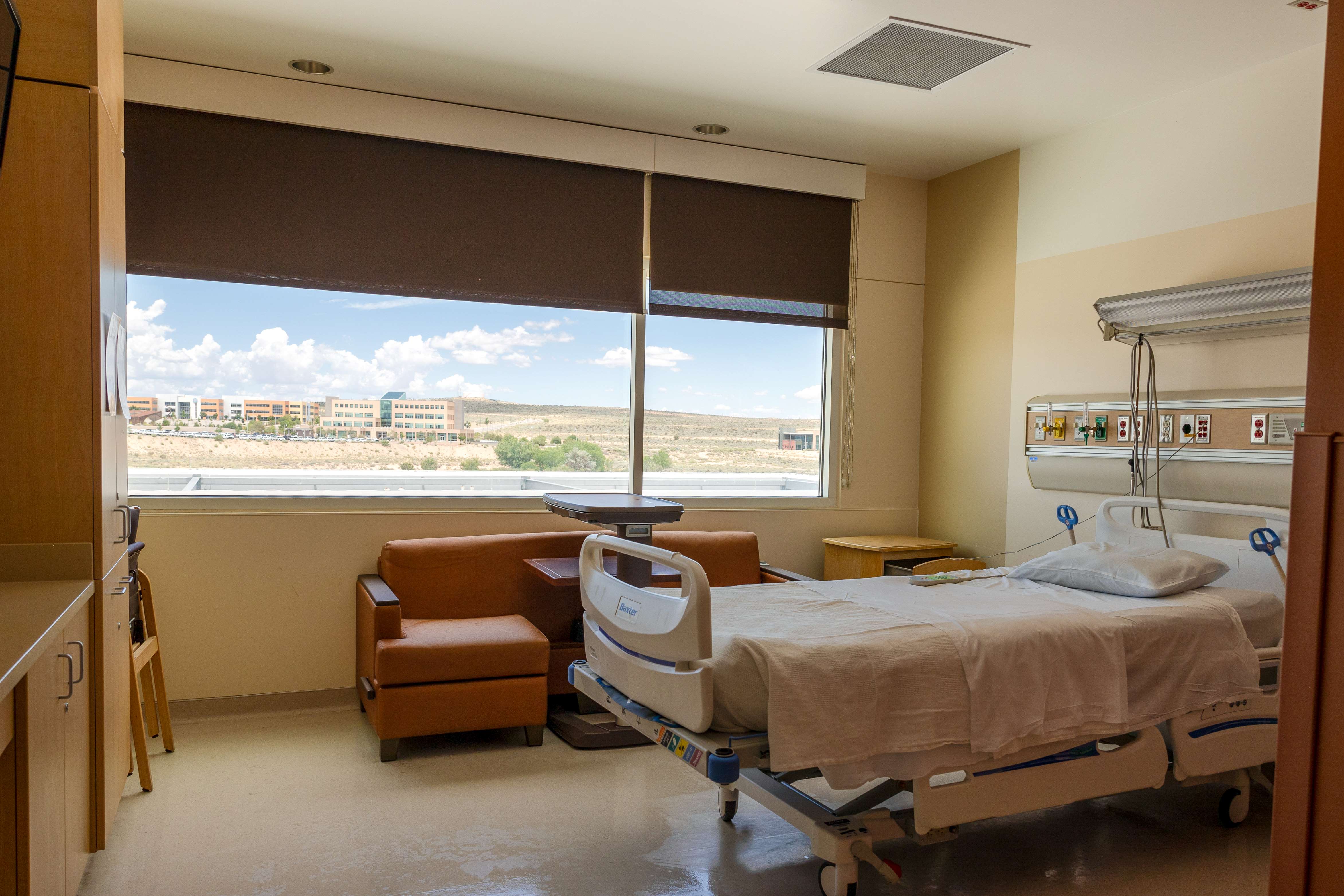
UNM SRMC. Photo Credit: McKaela Arviso
UNM SRMC. Photo Credit: McKaela Arviso
UNM SRMC. Photo Credit: McKaela Arviso
UNM SRMC. Photo Credit: McKaela Arviso
UNM SRMC. Photo Credit: Michelle Nichols




Experience from Patients Involved in PFAC
“For anyone considering joining PFAC, I would say absolutely do it and take every opportunity they give you to do something. There’s always going to be somebody in the hospital, somebody who needs help. For those of us who have something to share, I believe it’s our job in some way to share that, to help others.”
“After joining PFAC, I was able to have a better idea of UNM Hospital’s systems and how to help improve how patients with hearing loss were being treated. It has been a beneficial experience for me.”
At UNM Hospital, PFAC has already helped make significant changes for patients. Feedback from a patient in the Deaf and hard of hearing community led to improvements in accessibility.
“If you are a deaf or hard of hearing person coming to visit a loved one, what happens when you press that call button at the entrance? You won’t hear anything,” Laffler said. “Hearing that perspective from our patients, as well as working with leadership and multiple departments in our organization, we were able to create signage that's posted outside those entrances that gives clear directions.”
Input from PFAC members who have had experience in the ICU also helped to create the Family Bundle of Care at UNM Hospital, a packet that helps patients and family members transition from an Intensive Care Unit to the next place in their care plan, whether that be to an inpatient unit, a skilled nursing facility or back at home.

How to Join SRMC PFAC
Laffler said patients interested in applying to PFAC must be willing to share their experiences in a collaborative and respectful environment.
“You'd need to be willing to share your experiences in a group setting, whether they're good or bad, positive or negative, with the intent to educate and look for solutions,” he said. “Be constructive and collaborative, ask questions and really provide your perspective because you will be representing patients and families just like you who come to SRMC for care.”
SRMC’s PFAC application is available online. Patients will need to be willing to commit to monthly meetings (in-person and virtual options available) and agree to a three-year term.
PFAC Info Event at SRMC
In March, SRMC will host two events where patients can get a complimentary cup of coffee and also learn more about PFAC
“We'll be there for a couple hours in the morning and it’s an opportunity to thank our patients and our community for coming to SRMC, give them a cup of coffee, and then talk to them about an opportunity to be a part of change,” Laffler said.
SRMC PFAC
- Must be willing to share experience and collaborate on solutions in group-setting.
- Meet monthly (in-person or virtual)
- Commit to three-year term.
- Apply online
PFAC Info Event
- Tuesday, March 10
- 9 a.m.-11 a.m.
- SRMC Main Lobby, 1st Floor
- 3200 Broadmoor Blvd NE, Rio Rancho, NM
- Tuesday, April 14
- 9 a.m.-11 a.m.
- UNM Center of Excellence for Orthopaedic Surgery and Rehabilitation
- 3200 Broadmoor Blvd NE, Rio Rancho, NM
Thumbnail Image - Photo Credit: McKaela Arviso
Banner Image - Photo Credit: Michelle Nichols


