


With a quick press on the key fob, a small honk confirms the doors of the nondescript white SUV are unlocked. A team of two jumps in the vehicle, pulls seatbelts across their laps, hits the ignition button and they’re off.
“On the way to the call we’re looking at the patient’s history or why the call was made,” said Caprice Pino, MS, NCC, LPCC, LADAC.
Pino is the director of behavioral health at The University of New Mexico Sandoval Regional Medical Center – A Campus of UNM Hospital (SRMC).
“Upon arrival and driving into the neighborhood, we're looking at scene safety and seeing what could be a potentially dangerous situation,” Pino said.
She also heads up the UNM Health Behavioral Response Team (BRT) at SRMC, a new team designed to meet people where they are in the community during times of mental crisis. The mobile team responds in-person when someone needs critical or even life-saving support.
“They are feeling overwhelmed in that moment,” Pino said, “When they’ve reached out for help, we want to be there as soon as possible.”
The BRT, a service of UNM Health, launched in Sandoval County in April. Funded in part through a grant from The New Mexico Health Care Authority, the BRT takes referrals from the 988 Suicide and Crisis Lifeline. The 988 hotline is a free service people can call if they are in mental or emotional distress. The hotline is staffed with trained counselors 24/7.
Now, in Sandoval County, if a 988 counselor determines a caller needs additional, in-person support, the BRT will be dispatched to meet with the caller during those crucial moments. This allows SRMC behavioral health professionals to meet a patient where he/she is within minutes.
“The pain is so overwhelming for them, it's hard to cope with. It’s hard to sit in your skin,” Pino said. “So, having somebody else who’s willing to hold that for you, just for a little bit, that's a relief in itself.”
The BRT is comprised of two clinical professionals with different levels of expertise to address the specific needs of the caller. That could be a peer support worker who has lived experiences with things like behavioral health or substance use disorders. The other team member is a counselor or social worker. The team often meets the caller at their home.
“People are more comfortable in their home. They open up more,” Pino said. “That human connection often allows the person to feel like they're valued and that somebody cared enough to come. Sometimes that’s enough to calm them down.”
Pino said the home itself can also tell the BRT a lot about what’s going on.
“If depression has been ongoing, we will often notice that in the home,” she said. “The home is usually pretty dirty and they've been unable to keep up with basic household duties. We can see that when we’re there, versus in a counseling session where they're saying everything is fine and they're not necessarily giving us the whole picture.”
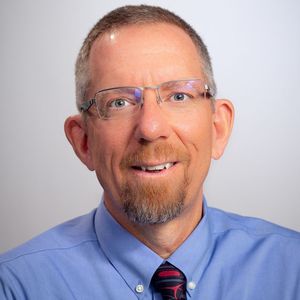
Navigating help for behavioral health can be complex. In physical medicine, things are clearer cut. If you broke your ankle, you can't walk. It hurts like heck. You go to the emergency room. But if you have a broken heart, it's invisible. It's inside. Nobody knows, unless you say something, and where do you go for a broken heart?
- Christopher Morris, PhD, Behavioral Health Medical Director, UNM Sandoval Regional Medical Center – A Campus of UNM Hospital
The whole picture, when it comes to need for expanding behavioral health services in New Mexico, is significant. According to the most recent data from The U.S. Centers for Disease Control and Prevention (CDC), New Mexico ranks fourth highest in the country for suicides (24.7 per 100,000 residents). New Mexico Department of Health reports that suicide deaths in the past decade have increased by 18% in the state, from 435 suicides in 2012 to 513 in 2022.
With the addition of BRT, there are a total of eight mobile crisis teams in New Mexico; six that are part of a collaboration between Bernalillo County and the City of Albuquerque, one in Doña Ana County and now this one in Sandoval County.
Behavioral Health ResourcesIf you or a loved one are in need of support, you can find links and numbers for various behavioral health resources below. 988 Suicide and Crisis Lifeline FREE available 24/7UNM Behavioral Health Clinic in Rio Rancho (505) 994-5050 UNM Behavioral Health Crisis Triage Center in Albuquerque
UNM Hospital Programs for Children and Adolescents in Albuquerque (505) 272-2190 |
Christopher Morris, PhD, is a clinical psychologist and SRMC’s Behavioral Health Medical Director.
“Navigating help for behavioral health can be complex,” Morris said. “In physical medicine, things are clearer cut. If you broke your ankle, you can't walk. It hurts like heck. You go to the emergency room. But if you have a broken heart, it's invisible. It's inside. Nobody knows, unless you say something, and where do you go for a broken heart?”
Just like everyone knows to call 911 for an emergency, calling 988 should become commonly known as the number to call for mental health support, Morris said.
“Most of us, at some time in the course of our lives, will have mental health challenges,” he said. “Sooner or later, something catches up with you. Life throws us a lot of curve balls. There's no shame in needing to go to the ER if you have a broken ankle and if your feelings are hurt or broken- there's no shame in getting extra help for that either.”
As a free service available to everyone in Sandoval County, the UNM Health Behavioral Response Team aims to be that extra help in times when people need connection the most.
During their visit, the team will make sure the caller feels safe enough to make it through the night and guide them through next steps. That could be anything from setting up a follow-up counseling appointment or even transport to the UNM Behavioral Health Crisis Center in Albuquerque for additional care.
“Sometimes picking up the phone will open doors you never thought were possible,” Pino said. “One of the best things I’ve seen when it comes to success stories, especially surrounding thoughts of suicide, is that it allows that individual to live through that experience and then embrace different things in their life. They often report that their life is fuller now. They appreciate things that make them feel good and their family is also coming together to make sure that person knows they are loved and wanted.”


