


In the heart of New Mexico, where vast landscapes stretch for miles and health care can be scarce, a unique program, supported by legislative funding, is reshaping the state’s medical future.
The University of New Mexico’s BA/MD program, launched in 2006, was designed to address the physician shortage in rural and underserved communities. By recruiting New Mexico high school seniors with an interest in medicine and a drive to make a difference, the program has built a pipeline of dedicated physicians improving health care access across the state. The success of the program today is a testament that when the New Mexico State Legislature and governor invest in pipeline programs at UNM, the programs have the power to address critical problems, making a significant difference for communities across the state.
Valerie Romero-Leggott, MD, executive director of the UNM Combined BA/MD Program, emphasizes the program’s core mission.
The whole goal of this program is to improve the health and well-being of the people of New Mexico. It was designed to address the critical physician shortage by growing our own doctors and providing incredible educational opportunities to New Mexican students who are committed to serving our communities.
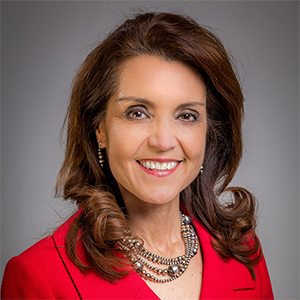
- Valerie Romero-Leggott, MD, Executive Director of the UNM Combined BA/MD Program
This partnership between UNM’s School of Medicine and the College of Arts & Sciences integrates eight years of undergraduate and medical education, creating a seamless path to a medical career. Each year, 28 high school seniors from across the state – many from rural and underrepresented backgrounds – are selected for the program. These students are guaranteed admission to the School of Medicine upon completing their undergraduate requirements. The program’s success is reflected in its outcomes: 312 students are on track to graduate from the program, 208 graduates have received their MD degree, and 104 graduates are currently practicing medicine.
By the Numbers:
312 graduates on track to graduate
208 graduated MDs
104 graduates practicing medicine
Robert Sapien, MD, associate dean for Admissions at the School of Medicine and director of the Combined BA/MD Program, credits part of the program's success to its comprehensive admissions process. “We do a holistic review, meaning we look at more than just grades and test scores,” he said. “We consider letters of recommendation, personal statements and service experiences. This allows us to select students who have the passion and dedication to serve in rural and underserved communities.”
The program reflects the demographic makeup of New Mexico, with more than half of admitted students coming from racial and ethnic backgrounds underrepresented in medicine. Two-thirds of students are admitted from outside Albuquerque and Rio Rancho, including the Navajo Nation, ensuring a broad reach across the state.
“Students from these populations often present experiences that wouldn’t otherwise be captured in a regular application,” Sapien said. “The result is a cohort of students whose demographics closely mirror the state’s population. This is significant because when doctors look like their patients, it fosters trust and better health care outcomes.”
When doctors look like their patients, it fosters trust and better health care outcomes.

- Robert Sapien, MD, Associate Dean for Admissions at the School of Medicine and Director of the Combined BA/MD Program
A standout feature of the program is the Summer Practicum, which immerses students in rural health care settings.
“They are embedded in the community, engaging in service learning, population health and community engagement,” Romero-Leggott said. “It is a reminder of why they chose this path – to serve and make a difference.”
To ensure students succeed academically, the program offers enriched premedical coursework, financial aid and MCAT preparation. “We want to remove as many barriers as possible,” Romero-Leggott said. “Many of our students are Presidential Scholars or Gates Millennium Scholars. They bring in a lot of their own scholarships, and this program ensures they have what they need to succeed without financial strain.”
Another key aspect of the program is its efforts to retain students through curricular improvements. Over the years, it has introduced smaller, more interactive science classes and implemented a flipped classroom approach that emphasizes active learning. Additionally, the program includes a seminar curriculum called Health, Medicine and Human Values (HMHV), which covers topics such as health economics and social determinants of health. Originally developed specifically for BA/MD students, the curriculum is now offered as a minor to all UNM students.
To further support students, the program has developed additional courses, including a summer medical physiology course and a transition to medical school course.
“These courses are designed to prepare students for the rigorous academic demands of medical school,” Sapien said. “The transition course, for example, is taught by School of Medicine faculty and covers critical thinking and survival skills for medical training.”
The program has been remarkably successful: Among the 104 graduates currently practicing, 57% serve in 11 different towns across New Mexico, with 24 working in their hometowns. Notably, 66% of those practicing in the state are in primary care, a field in critical demand.
Measuring Success:
Of graduates currently practicing:
57% working in rural NM
66% working in primary care
Retention rates have steadily improved, from 66% in the early years to 94% for cohorts from 2013-2019. Moreover, 47% of BA/MD alumni who complete out-of-state residencies return to practice in New Mexico, a figure that surpasses the statewide average of 21% for all UNM medical school graduates who train out of state. For those who complete both medical school and residency at UNM, the return rate is even higher at 73%, demonstrating the program’s strong ability to keep physicians in-state.
Romero-Leggott acknowledges the role of state legislative funding and institutional backing in keeping the program up and running. “This program wouldn’t exist without state support. It has also been a UNM HSC priority for many years, and in-kind support from UNM and SOM help sustain the program,” she said. “The impact is clear – our graduates are serving in rural clinics, hospitals, and communities across New Mexico. We also have graduates serving as residents and faculty educating the next generation.”
Leah Lucero, MD, a graduate of the Combined BA/MD Program, exemplifies its success. Originally from Las Vegas, N.M., she was part of the program’s 2010 cohort. Lucero majored in chemistry and Spanish before attending medical school. After completing her general surgery residency in Fresno, Calif., she returned to New Mexico to pursue a trauma and critical care fellowship at UNM.
Reflecting on the program’s impact, Lucero said, “The BA/MD program gave me the structure I needed to succeed. Coming from a small-town high school, I wasn’t as academically prepared, but the program provided the support and resources to help me get through.”
Rural populations are disproportionately affected by trauma. They have higher rates of things like motor vehicle collisions, and the survival rates for rural trauma patients compared to urban are startling. So I really want to help raise awareness and help facilities around the state to improve their trauma system.
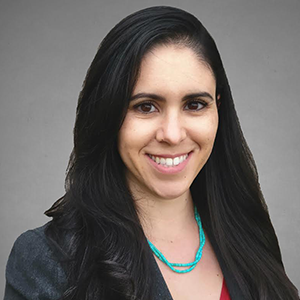
- Leah Lucero, MD, Graduate of the Combined BA/MD Program
Being involved in the program instilled a strong sense of duty for Lucero that is reflected in her goals for the future.
"I want to really expand the influence of UNM trauma expertise to rural New Mexico,” she said. “Rural populations are disproportionately affected by trauma. They have higher rates of things like motor vehicle collisions, and the survival rates for rural trauma patients compared to urban are startling. So I really want to help raise awareness and help facilities around the state to improve their trauma system.”
As New Mexico continues to face physician shortages, UNM’s Combined BA/MD Program remains a crucial solution. By investing in homegrown talent and fostering a commitment to community service, the program is shaping the future of health care in the state – one dedicated doctor at a time.


