


When Hadley Pope, MD entered medical school at The University of New Mexico, she thought she would end up practicing in an urban clinic. Instead, she found herself drawn to something unexpected: rural medicine.
"I'm from Albuquerque and I've only ever lived in cities," Pope said. "But through my experiences in RUUP, I got exposed to a lot of rural medicine. I saw the benefits of rural and community medicine and that you can have a really nice life doing rural medicine."
This year, the UNM School of Medicine is celebrating the 10th anniversary of RUUP, short for the Rural and Urban Underserved Program. Designed to support medical students who want to work with medically underserved communities, RUUP helps students stay on that path throughout their training.
"Most of us involved with planning and operating the program had spent a substantial part of our careers working with medically underserved communities," said Rob Williams, MD, MPH, the program’s founding director. "We felt the need to not only increase the number of medical students who are interested in similar careers but also to help them sustain that interest through the long training process."
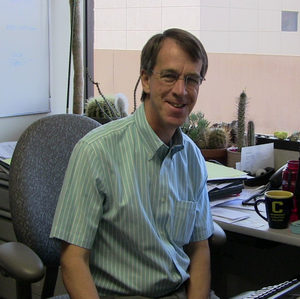
New Mexico is one of the most medically underserved states in the country. Every county except Los Alamos is considered underserved. RUUP is one of the ways we are addressing that.
- Rob Williams, MD, MPH, Founding Director, Rural and Urban Underserved Program, UNM School of Medicine
Like many medical schools, UNM sees a sharp drop in the number of students who express interest in working with underserved communities by the time they graduate, despite many entering medical school with that goal.
"There’s a lot of attrition along those four years of medical training and past that," said Jesse Barnes, MD, the current RUUP director. "A much smaller number of students actually end up going on to work in the communities where physicians are most needed."
To address that issue, RUUP offers didactic sessions, mentorship, and targeted clinical experiences in underserved settings. Students also complete long-term community engagement projects.
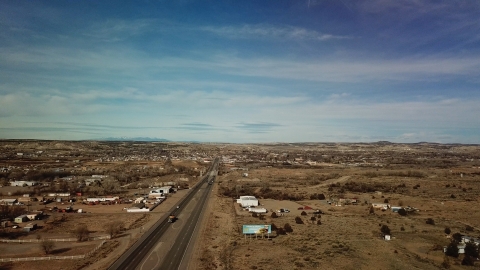
"We want students to start thinking early on in their training about how they would like to work on those bigger picture issues and what scale is meaningful and relevant to them," Barnes said.
Pope said the program broadened her view of where and how she could practice medicine. "I was really interested in underserved medicine, so when they told us about RUUP, I applied for it right away," she said. "I got exposed to aspects of the Indian Health Service, primarily in Shiprock. That made me interested in doing Native health when I was done with training."
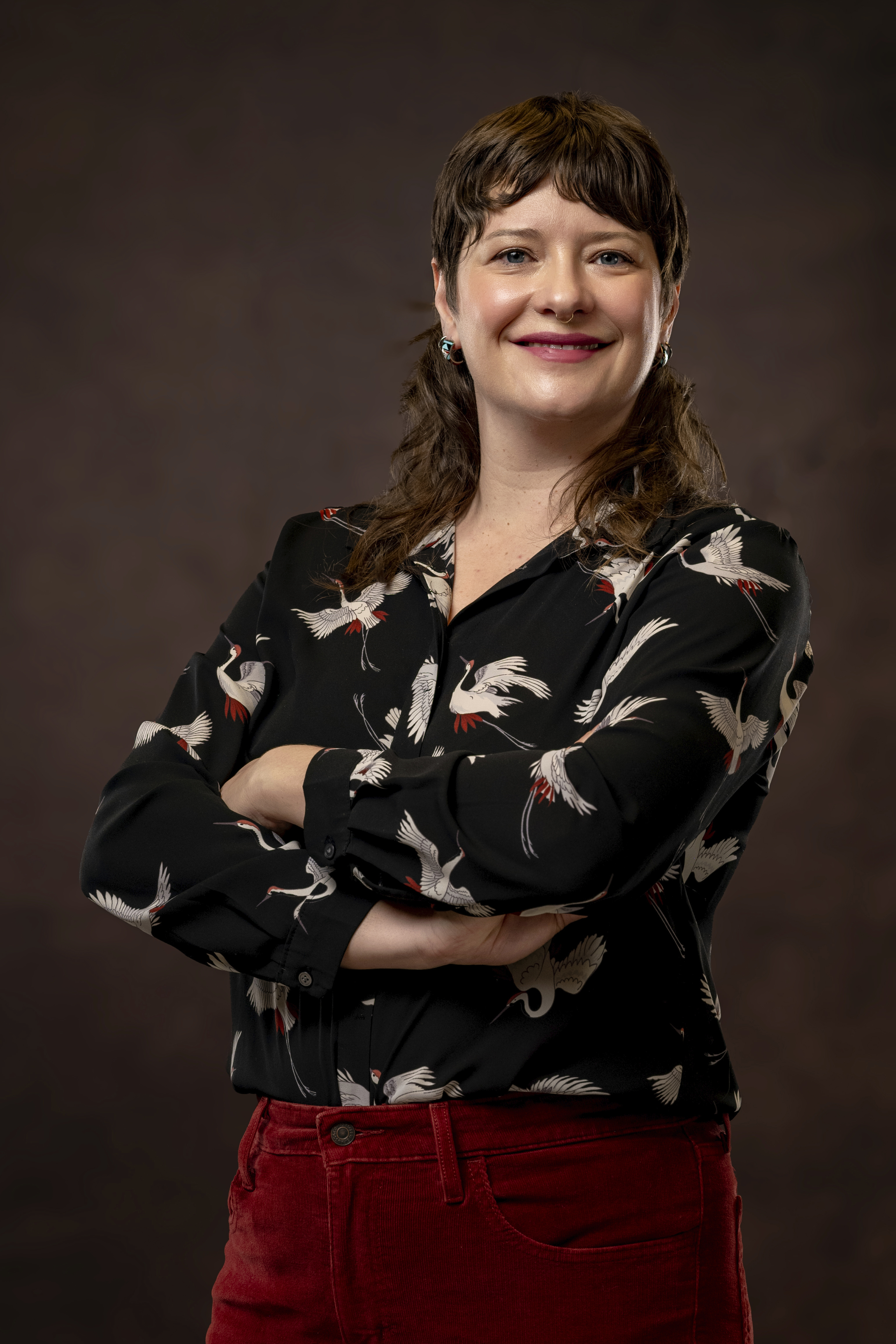
I saw the benefits of rural and community medicine and that you can have a really nice life doing rural medicine.
- Hadley Pope, MD, Alum and Mentor, Rural and Urban Underserved Program, UNM School of Medicine
Today, Pope is a family medicine physician at Isleta Health Center, just south of Albuquerque. Once a student in the program, she now helps lead the charge as a mentor to current RUUP students. "We're trying to continue the recruitment pipeline through the RUUP program," she said.
After a decade of investment, the program’s long-term impact is becoming clear.
"Of those who have completed the training, almost two thirds of the students who participated in RUUP are now practicing in underserved communities," Williams said.
RUUP has also proven to be an effective pipeline into high-need specialties. Of the 143 students who have completed the program, more than 80% entered specialty training in fields needed in medically underserved communities. Compared to their peers, RUUP graduates are twice as likely to choose OB-GYN, 50% more likely to go into psychiatry, and 2.5 times more likely to pursue family medicine. Seventeen of the 25 alumni tracked after residency are now working with underserved populations.
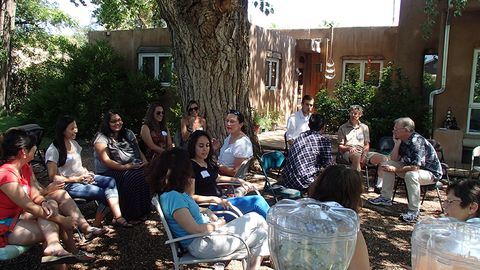
"Hopefully that will be the main legacy — that we will have more students interested, prepared and successful helping to meet the state's needs," Williams said.
RUUP was created to address the realities of New Mexico, where the need for health care providers is especially urgent, he said. "New Mexico is one of the most medically underserved states in the country. Every county except Los Alamos is considered underserved. RUUP is one of the ways we are addressing that."
As RUUP marks a decade of growth, its mission continues, and its momentum is only growing. Williams continued, saying working with the students remains the best part of all.
"My favorite moments are just working with the students," Williams said. "Their enthusiasm for trying to meet the state's health care needs is so remarkable and rewarding."


