


It’s respiratory virus season, and influenza (flu) is hitting New Mexicans harder than it did at this time last year, said Meghan Brett, MD, an infectious diseases physician and epidemiologist at The University of New Mexico Hospital.
A particular type of flu, designated flu A, H3N2, is the main culprit behind increased activity this year, Brett said. She added the flu virus has mutated slightly from past ones, but it’s important to know that it is not a so-called “super flu.” It’s just a more intense routine flu season even compared with last year.

Flu comes every year, and it’s really important to get vaccinated to maybe reduce your risk for infection, but more importantly, to reduce the severity of the infection.
- Meghan Brett, MD, Infectious Diseases Physician and Epidemiologist, UNM Hospital
According to data from the New Mexico Department of Health (NMDOH), for the week of Dec. 21, 2025, flu accounted for 10.4% of New Mexico emergency department (ED) visits for respiratory illness—a high for this flu season thus far. In comparison, the peak from last year’s flu season was 7.1% of ED visits (the week of Dec. 22, 2024).
Brett said this is a moderately severe flu season and it’s far from over. Thankfully, Jan. 2026 data show that the percent of flu-related ED visits for respiratory illness is decreasing, according to NMDOH. But Brett said it will be important to follow trends over time.
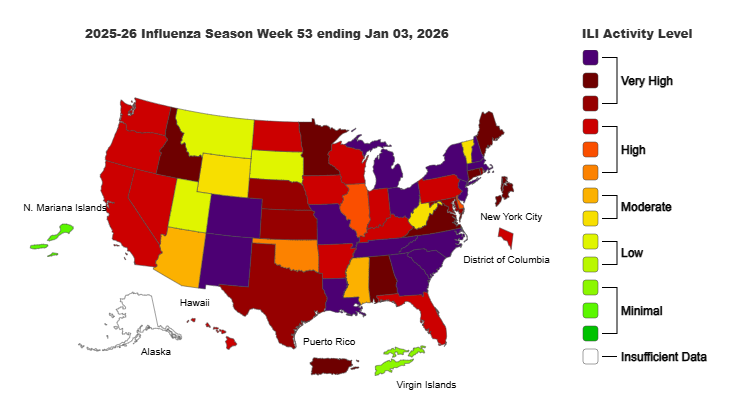
She said factors contributing to disease transmission this year include travel over the holidays, kids going back to school and a relatively low vaccination rate in New Mexico.
“Flu comes every year, and it’s really important to get vaccinated to maybe reduce your risk for infection, but more importantly, to reduce the severity of the infection,” Brett said.
According to NMDOH data, as of Jan 3., 2026, 23.1% of New Mexico residents had received the flu vaccine.
Brett said that, in previous years, the national average for flu vaccination has been about 40%.
Due to protein changes in H3N2, this year’s vaccine is not as effective as it could be, but it still provides some protection, Brett said. It may not be able to completely prevent illness, but it can reduce the amount of time you are sick and may keep you out of the hospital, she said.
“I know a lot of people who have gotten sick, even despite getting the flu vaccine, and that seems frustrating,” Brett said. “So, I get that. At the same time, I still think it can help, because flu can have pretty serious consequences, even for people that are otherwise healthy. I think it’s even more important for people that are older or have underlying medical problems to get vaccinated if they haven’t yet.”
She also recommends that people who have not gotten a flu vaccine, even those who already had the flu recently, should still get vaccinated because flu B sometimes circulates later in the season. If you had flu A earlier in the season, you can get sick again with flu B, she said. The flu vaccine provides protection against both flu A and flu B.
In addition to causing illness in adults, the flu is affecting children and teenagers much more than usual, and this is a good reason for children to get vaccinated, Brett said.
Where to Go When You're Sick -- For Adults (1 of 4)
Where to Go When You're Sick -- For Adults (2 of 4)
Where to Go When You're Sick -- For Adults (3 of 4)
Where to Go When You're Sick -- For Adults (4 of 4)



Where to Go When Your Child is Sick (1 of 4)
Where to Go When Your Child is Sick (2 of 4)
Where to Go When Your Child is Sick (3 of 4)
Where to Go When Your Child is Sick (4 of 4)
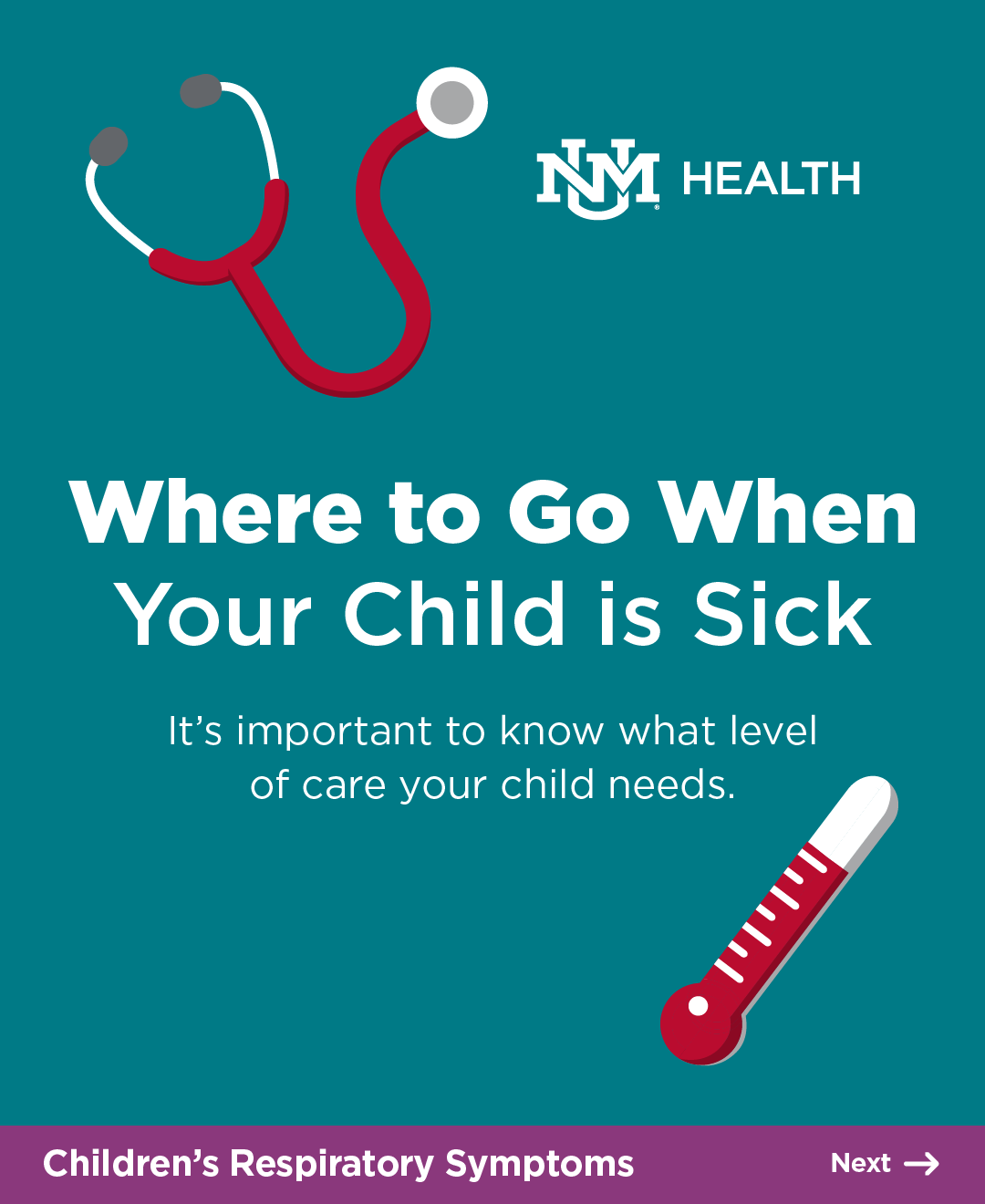
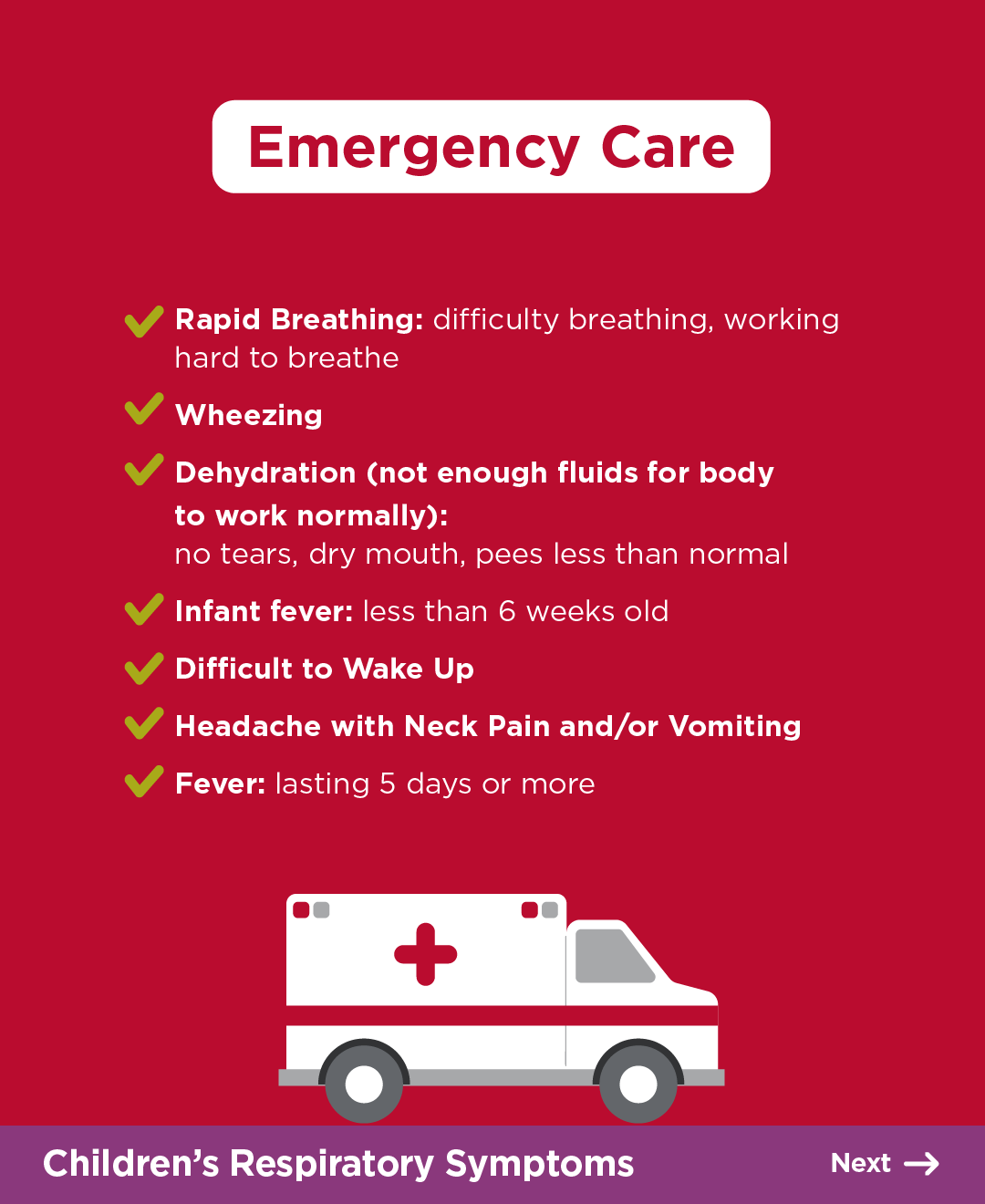
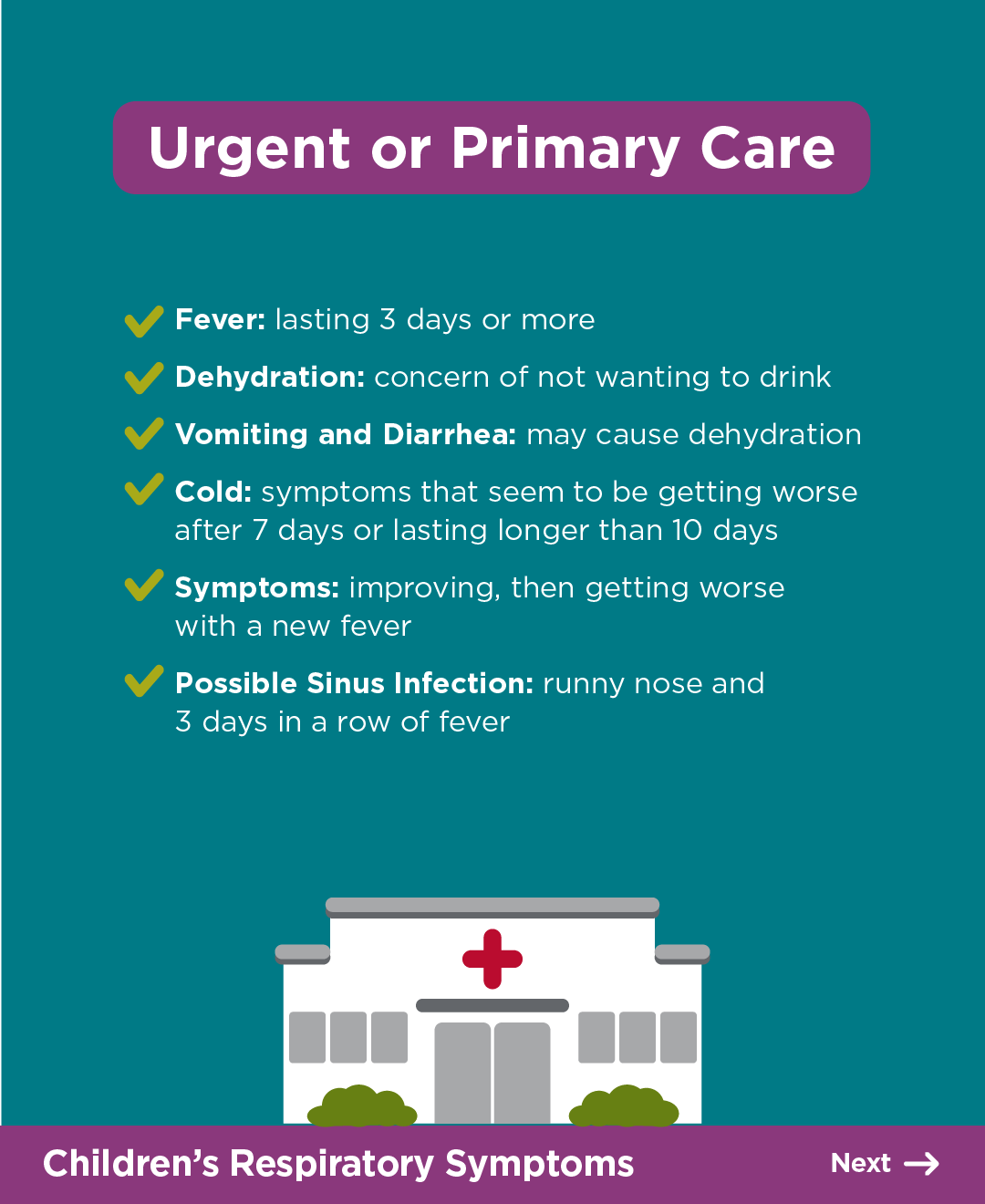

Common flu symptoms include fever, runny nose and cough. A more severe symptom to watch for is shortness of breath, Brett said.
She said that anyone with severe symptoms, and anyone who has an underlying health condition like diabetes and has flu symptoms, should get tested and treated by a health professional early. By starting antiviral medication within a couple of days of symptoms appearing, these patients may experience less-severe disease and may avoid having to go to the hospital, she said.
For more information on the flu in New Mexico, including vaccination guidance, please refer to NMDOH.
Steps to Take if You Have a Respiratory Illness
- Stay home to avoid exposing others
- Get enough sleep
- Stay hydrated
- Treat bothersome symptoms like headache with an over-the-counter medication such as acetaminophen or ibuprofen, if you can take one of those medications safely
- Cover your mouth when you cough or sneeze
- Wash your hands frequently with soap and water or use alcohol-based hand sanitizer
- Clean high-touch surfaces with bleach or other disinfectants


