


Radiological technologists who graduate from The University of New Mexico Radiological Sciences Program operate the imaging scanners radiologists use to diagnose disease, including X-ray, CT, ultrasound and MRI machines.
Since 1999, UNM’s program has offered an accredited bachelor of science in radiological sciences degree. Today, the program has approximately 50 students enrolled and offers two concentrations in nuclear medicine and medical imaging, said interim director Reed Selwyn, PhD, Regents’ Professor in the Department of Radiology.
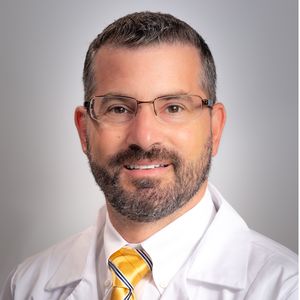
A year from now, we would like to offer an MRI pathway so students can come to UNM for a four-year degree and graduate from an accredited MRI program.
- Reed Selwyn, PhD, Regents’ Professor, Department of Radiology, UNM School of Medicine
To meet a growing need for radiological technologists in New Mexico, the program is adding multiple new training pathways within its baccalaureate program, he said.
Starting this year, a concentration in radiologic technology has started enrolling students, Selwyn said. “A year from now, we would like to offer an MRI pathway so students can come to UNM for a four-year degree and graduate from an accredited MRI program.”
Many radiological technologists in New Mexico start in their careers with associate degrees from Central New Mexico Community College (CNM) or another training program, then continue their education at UNM to complete their bachelor’s degree in CT or MRI, he said
Now, UNM Radiological Sciences faculty members are also working with their CNM colleagues to develop a streamlined integrated degree program, Selwyn said.
“The intent is for students to apply once to UNM and be accepted to both UNM and CNM, and along the way they may obtain an associate’s degree and start working,” he said. “Then, they would continue to get their bachelor’s degree at UNM.” The two programs are also considering joint hiring and increased student class sizes to meet a shortage of faculty educators.
In addition to the intensive classwork needed to master the scientific principles behind the imaging technology, students also gain hands-on experience in clinical settings, including many of the state’s major hospitals, Selwyn said.
There, they master human skills like soothing a patient’s fears about radiation exposure or an aversion to being confined inside an MRI scanner, he said.
“Technologists have a special superpower to help keep patients calm and hold their breath or remain still during the exam,” Selwyn said. “People don’t realize how much the technologist is responsible for coaxing a patient through a very difficult scan.”


